Wolverhampton
Lichfield street opticians 44 Lichfield street Wolverhampton Wv11dg
Phone Number
01902 420348
Wolverhampton
Lichfield street opticians 44 Lichfield street Wolverhampton Wv11dg
01902 420348
Healthy Vision for Growing Eyes
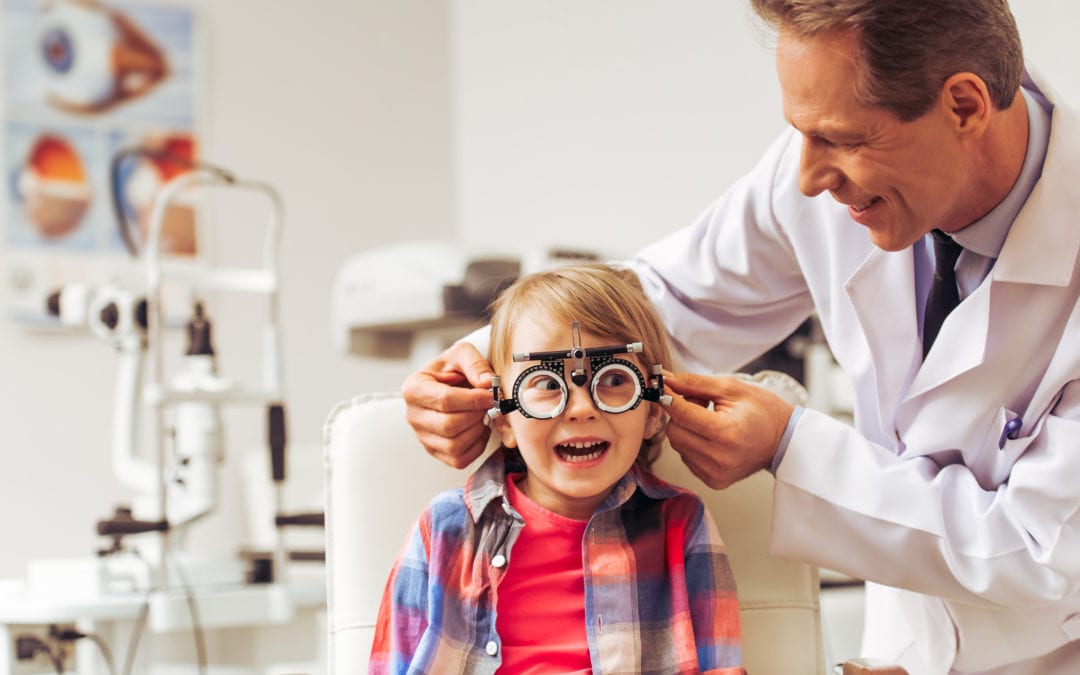
Children’s eye testing is an important part of looking after their vision and eye health. Children may not always recognise or tell you that they are having difficulty seeing, particularly if they have become accustomed to seeing the world in a certain way.
A children’s eye examination can help identify common vision problems such as short-sightedness (myopia), long-sightedness (hyperopia), astigmatism, amblyopia (lazy eye) and squint (strabismus).
Identifying vision problems early can help ensure that your child receives appropriate advice, treatment or referral when needed.
Good vision plays an important role in children’s everyday lives, including reading, learning, playing and interacting with others.
Children may not complain about their eyesight because they may assume that the way they see is normal. This is why regular eye examinations are important, even when your child does not appear to have a problem.
Look out for behaviours such as:
If you notice any changes or concerns about your child’s vision, an eye examination can help determine whether further assessment is required.
In the UK, NHS-funded eye tests are available to eligible children and young people. Generally, children under 16 and young people aged 16–18 in full-time education are entitled to an NHS-funded sight test.
Eligibility rules can vary, so please check with us before your appointment.
If your child is prescribed glasses and is eligible for an NHS optical voucher, the voucher may contribute towards the cost of their glasses. The amount available depends on the child’s circumstances and prescription.
Our team can explain the available NHS support and help you understand your options.
A children’s eye examination is adapted to the child’s age and ability. Our eye-care professional will use appropriate techniques to make the experience comfortable and engaging.
We will discuss your child’s vision, general eye health and any concerns you may have noticed.
For younger children, we may also ask about their visual behaviour and development.
Your child’s vision will be assessed using age-appropriate methods.
Depending on their age, this may include checking how clearly they can see at different distances.
The eyes may be assessed to see how well they work together and whether there are signs of a squint or other eye coordination difficulties.
Where appropriate, the optometrist may assess whether your child is short-sighted, long-sighted or has astigmatism and whether spectacles may be beneficial.
The health of your child’s eyes will be assessed as appropriate for their age and individual circumstances.
If any concerns are identified, you will be advised about monitoring, treatment or further referral.
The findings will be explained clearly to you and, where appropriate, to your child.
If glasses, monitoring or further assessment are recommended, we will explain the available options.
Myopia, commonly known as short-sightedness, is a common vision condition where distant objects appear blurred while close objects can usually be seen more clearly.
Myopia commonly develops during childhood and can increase as a child grows.
Regular eye examinations can identify myopia and monitor changes in your child’s prescription.
If myopia is progressing, your optometrist can discuss appropriate options for managing it based on your child’s individual needs.
Myopia management may involve specialist spectacle lenses, contact lenses or other clinically appropriate options.
Your child’s assessment may include:
Every child is different, so your optometrist will recommend the most appropriate approach for their individual needs.
Hyperopia, commonly known as long-sightedness, occurs when the eye has difficulty focusing clearly, particularly for close-up tasks.
Children can sometimes compensate for a degree of hyperopia naturally, meaning that it may not always be immediately noticeable.
Uncorrected or significant hyperopia may be associated with symptoms such as:
In children, significant uncorrected refractive errors can sometimes affect visual development. An eye examination can help identify whether treatment or monitoring is appropriate.
Your child’s assessment may include:
Each assessment is adapted to the child’s age and individual needs.
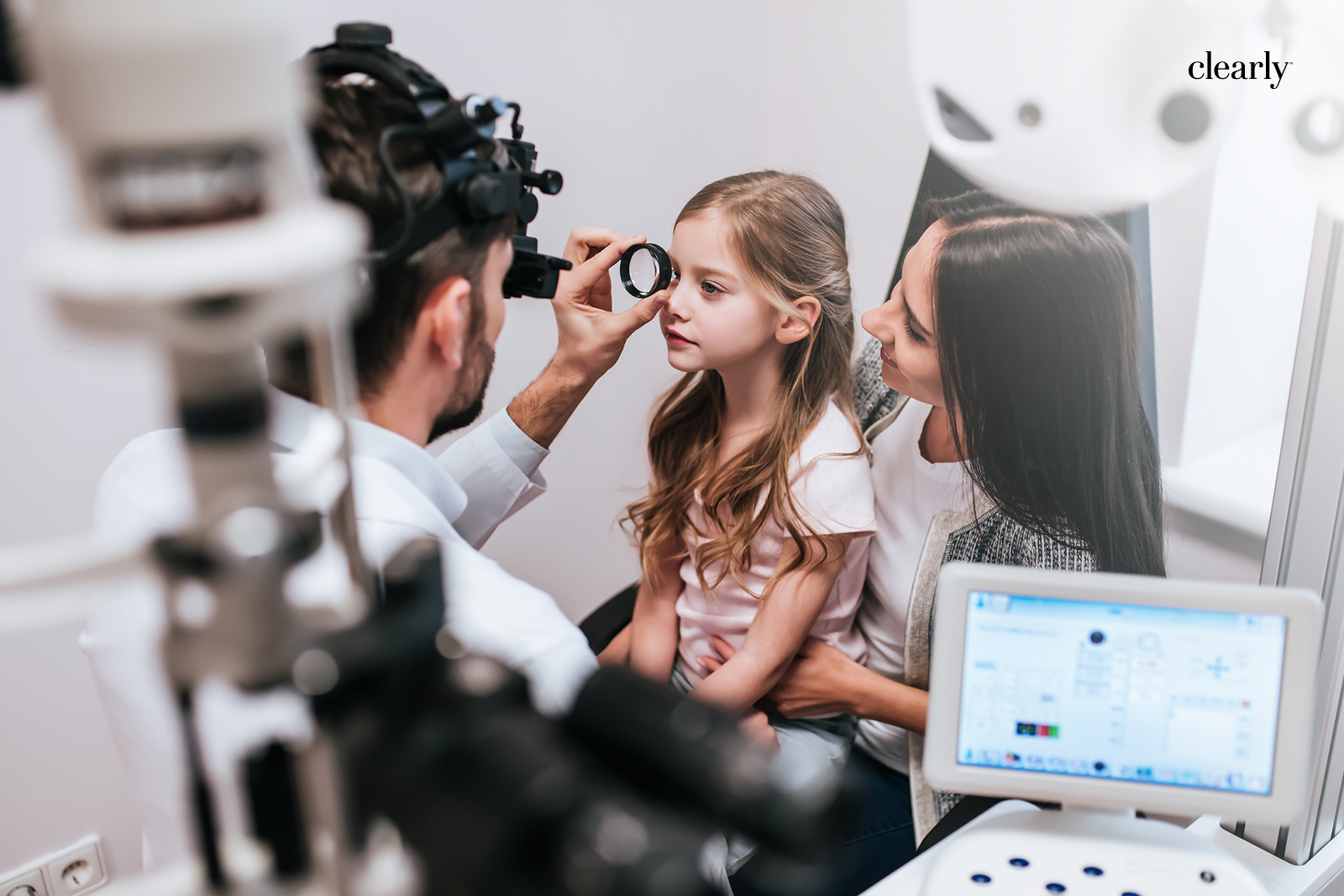
If your child needs glasses, having the right frame fit is just as important as choosing the correct lenses.
Children’s frames should be:
Frames that are too large or poorly fitted can be uncomfortable and may make it more difficult for your child to look through the correct part of the lenses.
At Lichfield Street Opticians, we offer a wide selection of children’s frames in different shapes, sizes and styles.
Our team can help you choose a frame that fits your child’s face comfortably while finding a style they will be happy to wear.
We can also advise on suitable lenses based on your child’s prescription, age and individual visual needs.
Protecting children’s eyes from excessive exposure to ultraviolet (UV) radiation is also important.
We stock a range of Polaroid polarised sunglasses designed to provide UV protection while offering comfortable vision in bright conditions.
Our team can help you choose suitable sunglasses for your child’s needs and ensure that they fit comfortably and securely.
Your child’s vision is important at every stage of development.
If you have noticed a change in your child’s vision or simply want to arrange a routine eye examination, our team is here to help.
📞 Call us on 01902 420348
Or book your child’s eye test online.
It’s recommended that children have their first eye test at around 3 to 4 years of age, or earlier if you notice any vision issues. Regular eye checks help detect problems early and support healthy visual development.
A children’s eye test usually takes around 20 to 30 minutes. Our friendly optometrists make the experience comfortable and fun, using child-friendly methods to assess vision accurately.
During the test, we check your child’s vision clarity, eye movement, and focus. Special charts, colours, and shapes are used to make it engaging for kids while ensuring accurate results.

At our eye care center, we are committed to protecting and improving your eyesight with trusted treatments, modern technology, and compassionate care. Because your eyes deserve the best.
01902 420348
info@wolverhamptonopticians.co.uk
Copyright © 2025. All rights reserved.